русский
 日本語
日本語 한국어
한국어 Latine
 Tiếng Việt
 বাংলা
বাংলা ไทย
ไทย عربى
عربى Hrvatski
 dansk
dansk čeština
 Nederlands
 Pilipino
 Suomalainen
 Magyar
 Indonesia
 italiano
 Gaeilge
 Bahasa Melayu
 norsk
norsk فارسی
فارسی Português
 Polskie
 Română
 Slovák
 svenska
 Türk
TürkTatlong sipi ang dumarating sa iisang desk para sa isang 600 metro kuwadradong harapan ng hotel: pinatuyong kiln na western red cedar, Siberian larch, at isang wood-plastic composite panel system. Ang cedar bid ay ...
MAGBASA PA

Tatlong sipi ang dumarating sa iisang desk para sa isang 600 metro kuwadradong harapan ng hotel: pinatuyong kiln na western red cedar, Siberian larch, at isang wood-plastic composite panel system. Ang cedar bid ay ...
MAGBASA PATanungin ang sinuman na muling naglagay ng nabigong kubyerta at nagbabalik ang parehong mga kuwento: mga hilera ng mga turnilyo na kinakalawang at may guhit na maputlang tabla, mga butt joint na nagsara sa isang ma...
MAGBASA PAKaramihan sa mga problema sa cladding ay bumabalik sa mga desisyong ginawa bago umabot sa dingding ang isang panel: isang substructure na walang ventilation gap, isang surface na hindi pantay na kumukupas sa ilalim...
MAGBASA PAMagtanong sa isang installer kung ano talaga ang sumisira sa isang composite deck, at ang sagot ay bihira sa board. Ito ay mga kalawang na streak na dumudugo sa isang magaan na ibabaw, mga ulo ng tornilyo na humihi...
MAGBASA PA

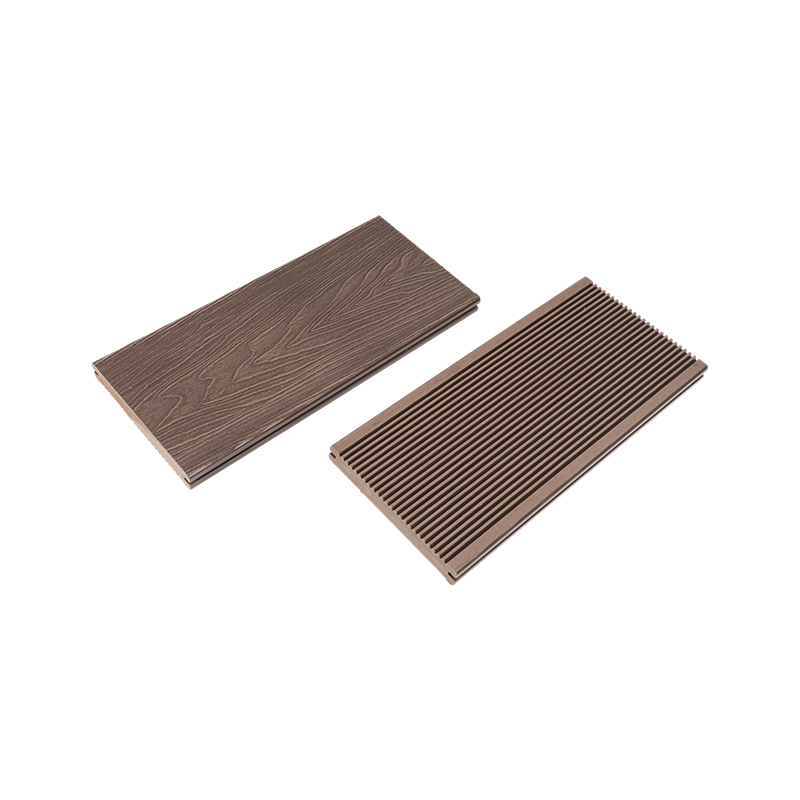
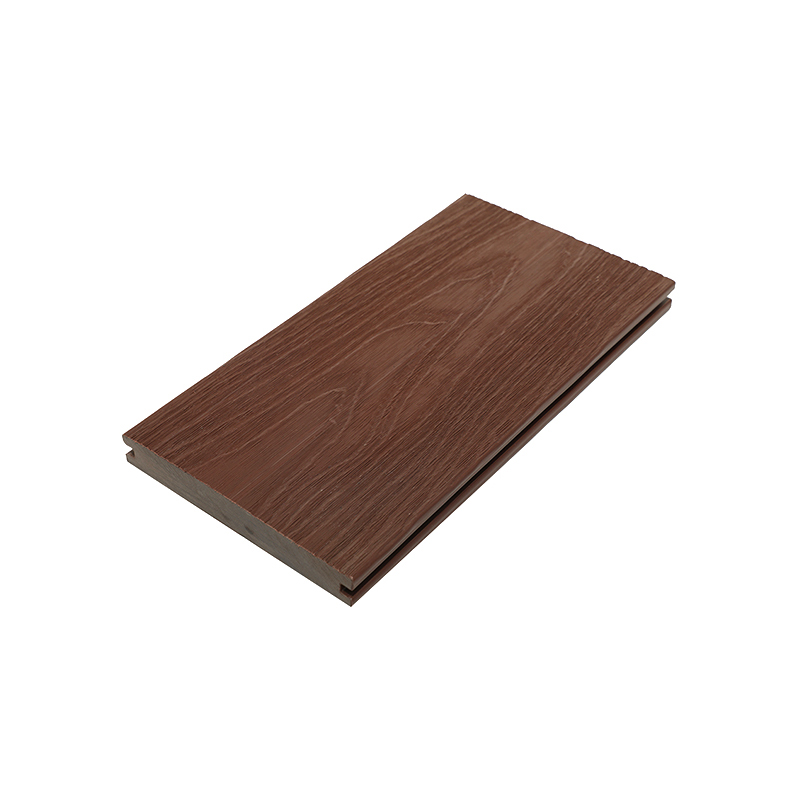
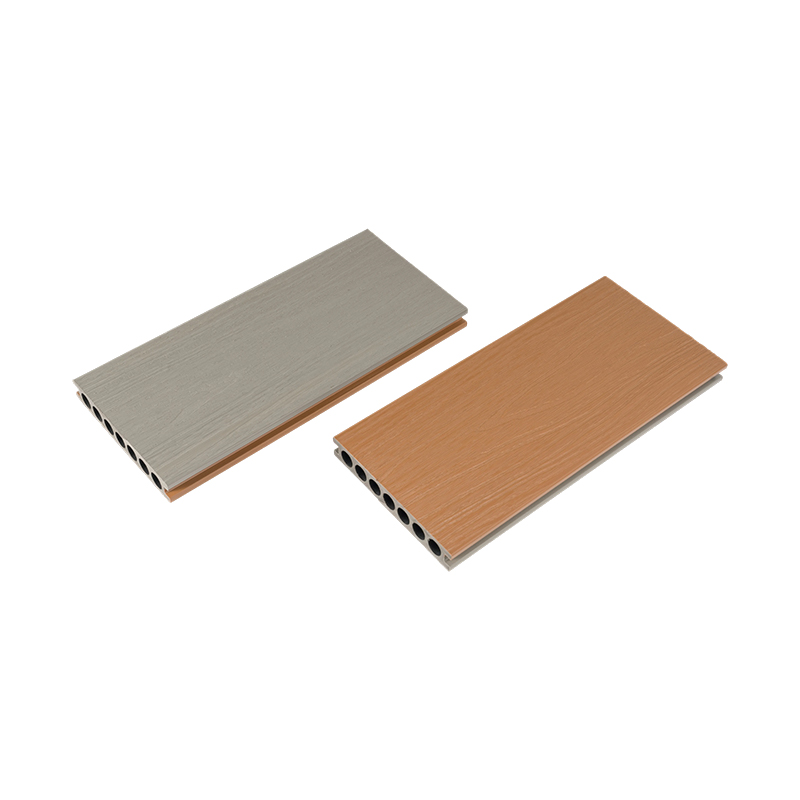
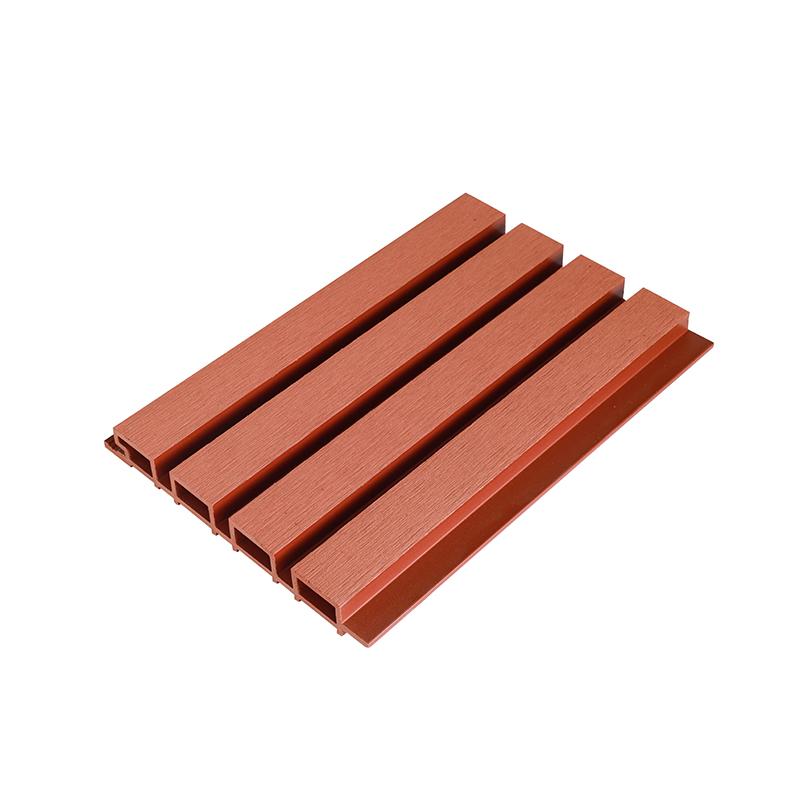
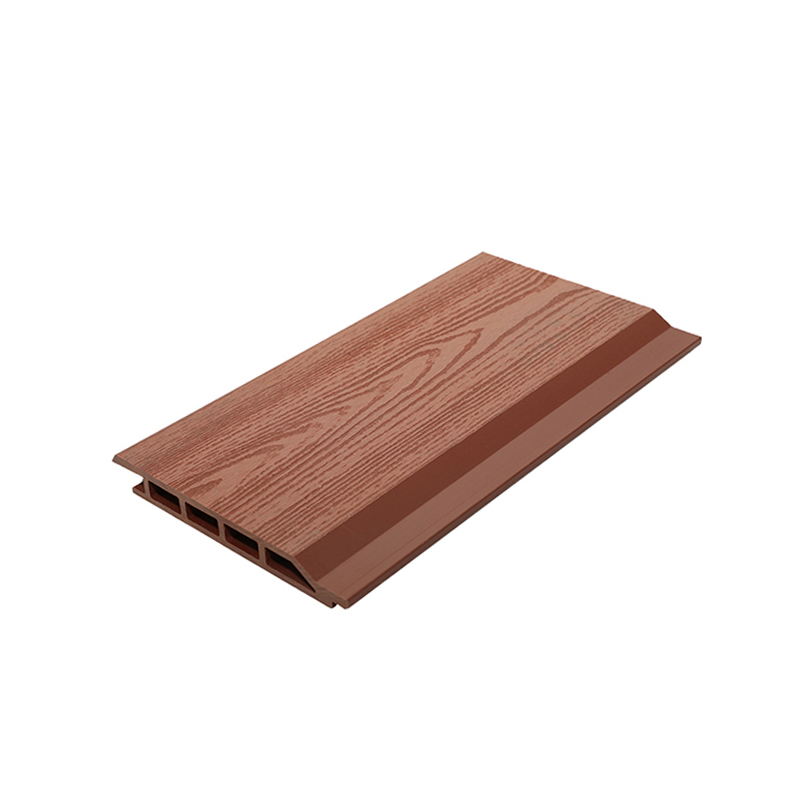
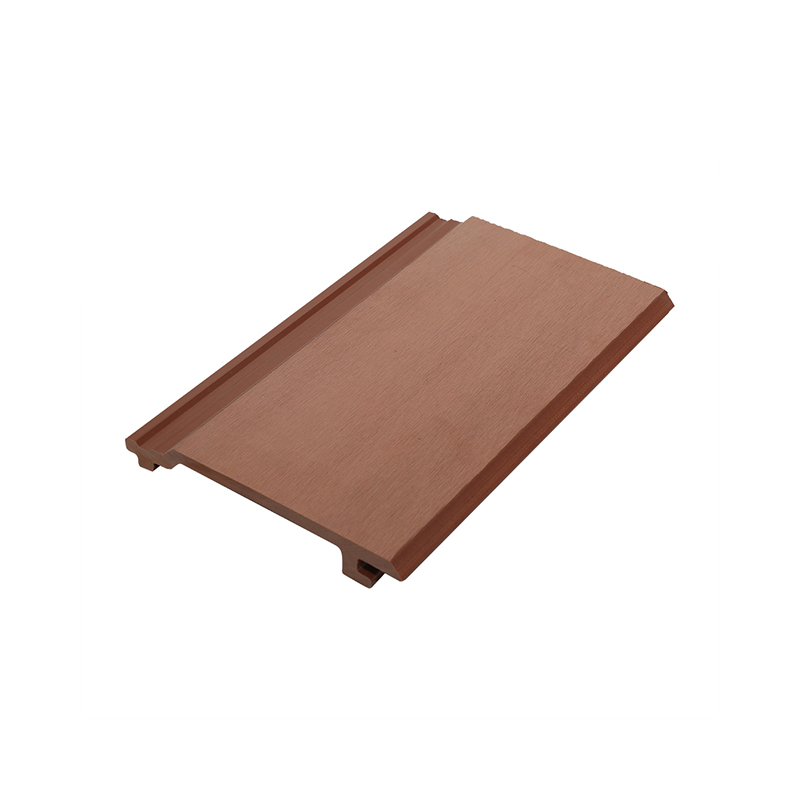
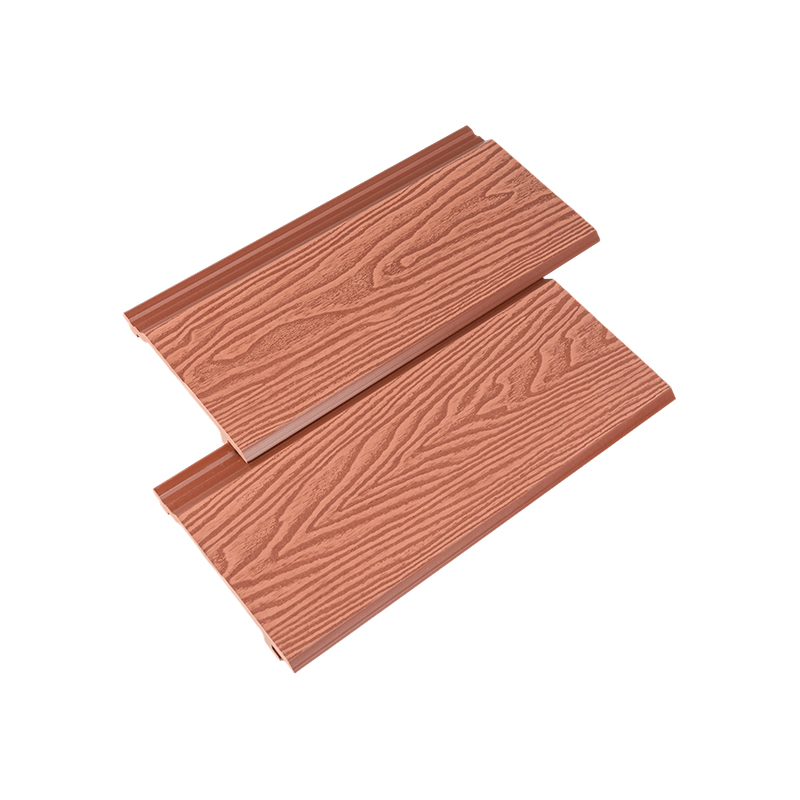
Decking accessories are the essential components that work alongside your deck boards to ensure a complete, durable, and visually polished installation. While the deck boards themselves often take center stage, it is the accessories — including WPC edge caps, composite decking clips, screws, adjustable pedestals, and joists — that determine the structural integrity, longevity, and finished appearance of the entire deck system.
A deck installed without proper accessories may experience board movement, moisture ingress, uneven surfaces, or premature wear. Studies in the construction industry suggest that up to 40% of deck failures are attributable not to the boards themselves, but to inadequate fastening systems, poor drainage design, or missing protective components. Choosing the right accessories from the start protects your investment and reduces long-term maintenance costs significantly.
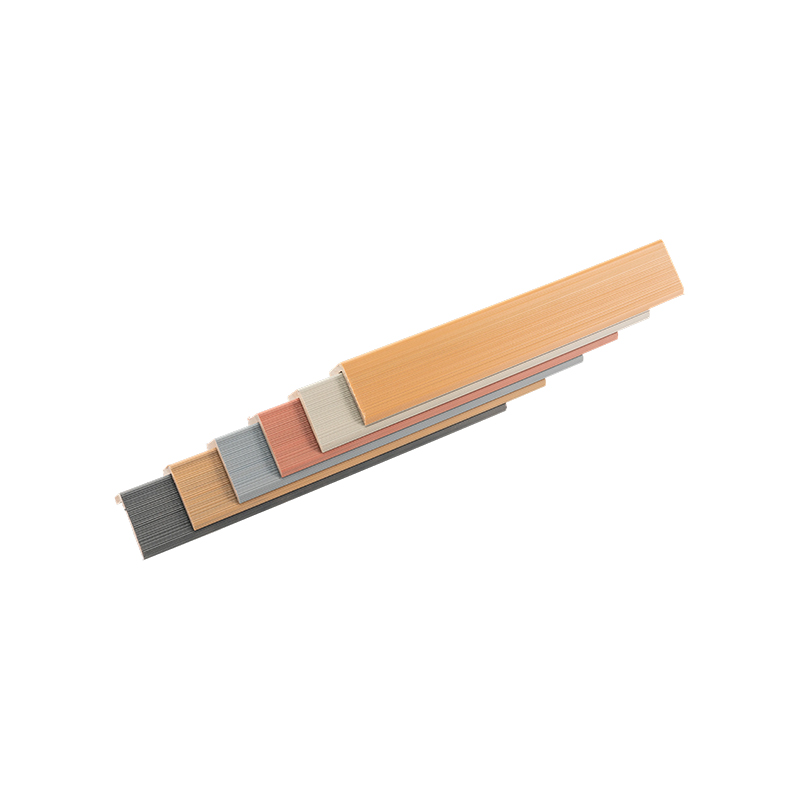
WPC edge caps are finishing profiles applied to the exposed ends and borders of composite deck boards. They serve both an aesthetic and a protective function.
Edge caps are typically snapped or glued into place and are available in lengths matching standard board sizes. For decks near pools, coastal environments, or areas with high rainfall, WPC edge caps are considered a non-negotiable protective measure.
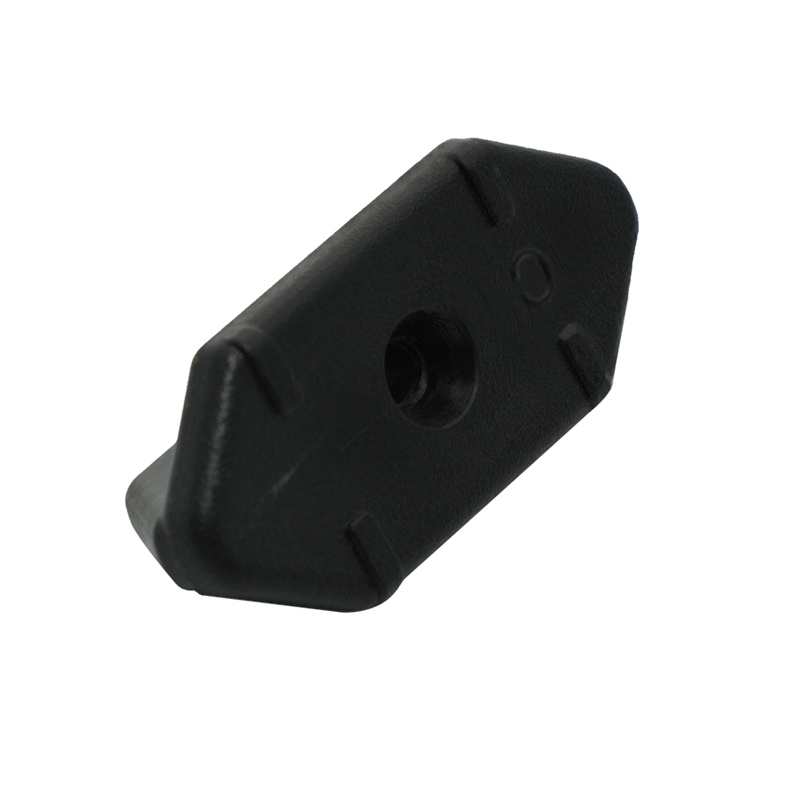
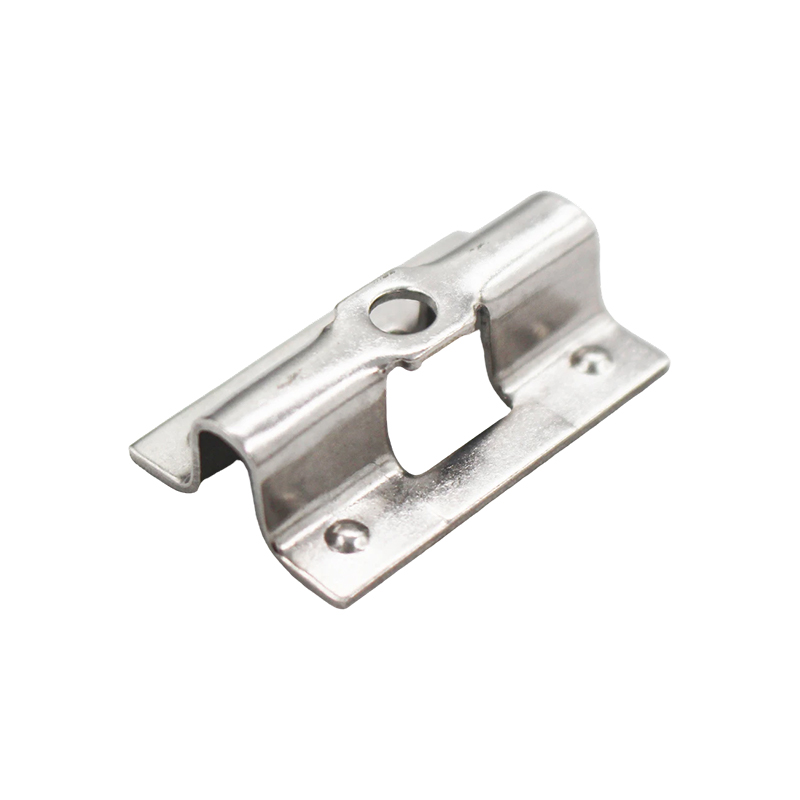
Composite decking clips are hidden fasteners that secure deck boards to the substructure from the side rather than through the top surface. This method is widely preferred in modern deck installations for both functional and visual reasons.
Each clip slots into the grooved edge of a composite board and fastens to the joist below using a screw. As the next board is laid, it locks into the opposite side of the same clip. This creates a consistent 3–6mm gap between boards for drainage and expansion while keeping the deck surface entirely screw-free.
Most standard clip systems require approximately 20–25 clips per square meter, depending on board width and joist spacing.
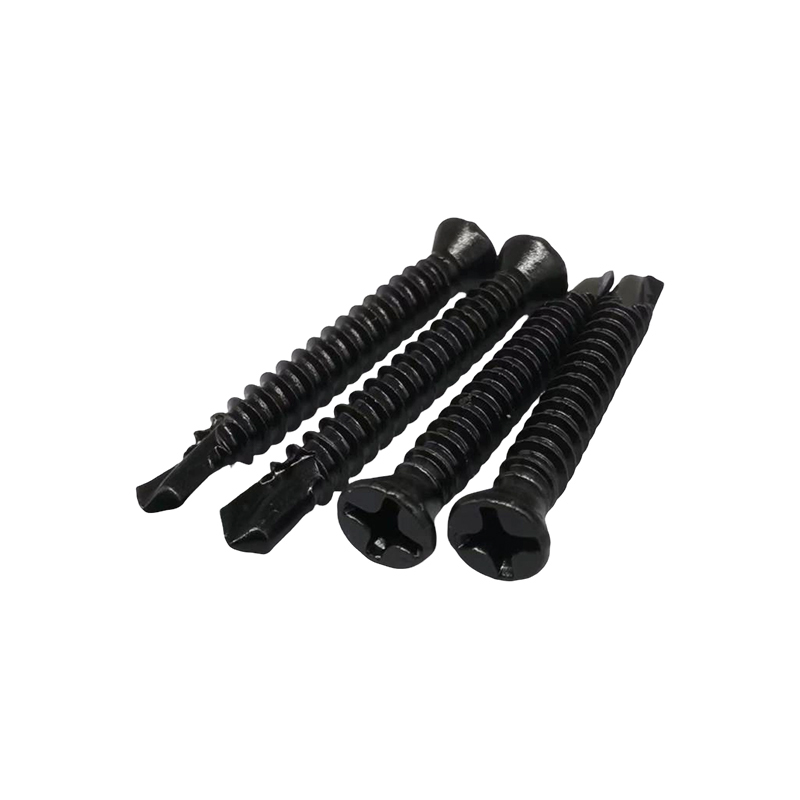
While hidden clips handle board-to-joist fastening in grooved board systems, screws remain essential throughout a deck build — for subframe assembly, face-fixing solid boards, securing edge trims, and attaching joists to pedestals or bearers.
| Application | Recommended Type | Key Property |
|---|---|---|
| Composite board face-fixing | Self-countersinking composite screw | Prevents surface mushrooming |
| Aluminium or steel subframe | Stainless steel self-drilling screw | Corrosion resistance, high shear strength |
| Timber joist assembly | Hot-dip galvanised structural screw | Weather and moisture resistance |
| Coastal or poolside decks | Grade 316 stainless steel screw | Superior salt and chlorine resistance |
Using the wrong screw type is a common installation mistake. Zinc-plated or low-grade screws in outdoor environments can corrode within 2–3 years, staining the deck surface and compromising structural connections.
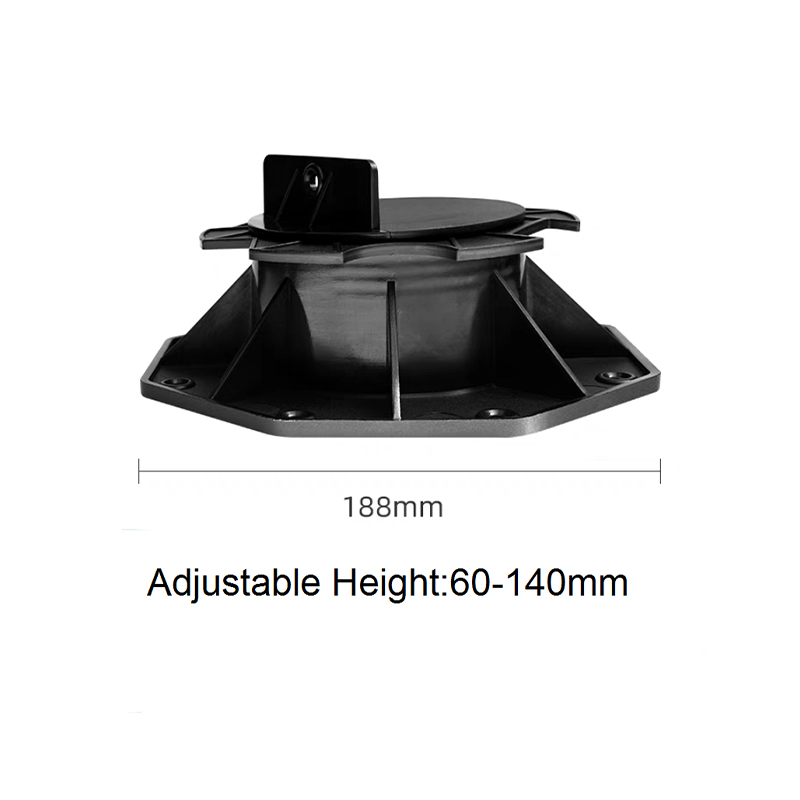
Adjustable pedestals are support columns placed directly on a hard surface — such as a concrete slab, flat roof, or terrace — to elevate and level a deck frame without the need for ground excavation or permanent fixing.
Each pedestal consists of a base plate, a threaded stem, and a head plate. By rotating the stem, the height can be adjusted — typically ranging from 25mm to over 600mm depending on the model. This allows installers to create a perfectly flat deck surface even over uneven or sloped substrates, with typical gradient compensation of up to 5% slope on self-levelling models.
Pedestal systems are load-rated and should be selected based on the expected distributed load. Most residential systems support loads of 1,000–3,000 kg per pedestal, while commercial-grade pedestals can exceed 5,000 kg capacity.
Joists are the horizontal framing members that run beneath the deck boards and carry the load from the surface down to the support structure. Their spacing, material, and installation directly affect the performance and safety of the entire deck.
| Material | Lifespan | Weight | Best For |
|---|---|---|---|
| Treated Timber | 15–25 years | Medium | Ground-level residential decks |
| Aluminium | 40+ years | Light | Rooftop, coastal, commercial use |
| Galvanised Steel | 30–40 years | Heavy | High-load or large-span structures |
| WPC Composite | 25–30 years | Medium | Full composite system builds |
For most composite decking boards, the recommended joist spacing is 400mm centre-to-centre for standard installations. For diagonal or 45-degree board layouts, this should be reduced to 300mm to prevent deflection. At board ends and joints, joists must always be doubled up to provide full support to both terminating boards.
Even if a board has a factory-finished appearance, cut ends expose the internal core material and should always be capped. Any exposed cross-section is vulnerable to moisture ingress, especially in wet climates. Edge caps are a low-cost addition that significantly extends board lifespan.
Generally, no. Grooved boards designed for clips do not have the structural thickness needed for reliable face screwing, and solid boards designed for face screwing lack the groove channel required for clips. Always match the fastening system to the board profile specified by the manufacturer.
A common rule of thumb is one pedestal per 0.5–0.8 square meters of deck area, though the exact number depends on joist span, load requirements, and pedestal load rating. Always consult the load calculation guidance for your specific pedestal product before installation.
Undersized joists can lead to visible board deflection or "bounce" underfoot, long-term sagging of the deck surface, and in extreme cases, structural failure. Always verify that your joist dimensions comply with the span tables provided for your subframe material and the expected live loads (typically 1.5–4.0 kPa for residential decks).
Before purchasing decking accessories, use the following checklist to ensure compatibility and completeness:
Taking the time to plan your accessories carefully before installation results in a deck that not only looks professionally finished but also performs reliably for decades with minimal maintenance intervention.